

When comparing Yamaha and Kawai acoustic pianos, the difference in quality, performance, and long-term value is unmistakable. While Kawai instruments can be a reasonable option for those seeking a lower-priced, entry-level piano, Yamaha continues to define excellence in every category, from tone and touch to craftsmanship and reliability.
For over a century, Yamaha has set the global standard for piano making. From the world's concert stages to Canada's leading music schools, Yamaha remains the brand trusted by professionals, educators, and performers alike.

1. The Sound: Expressive, Brilliant and Enduring
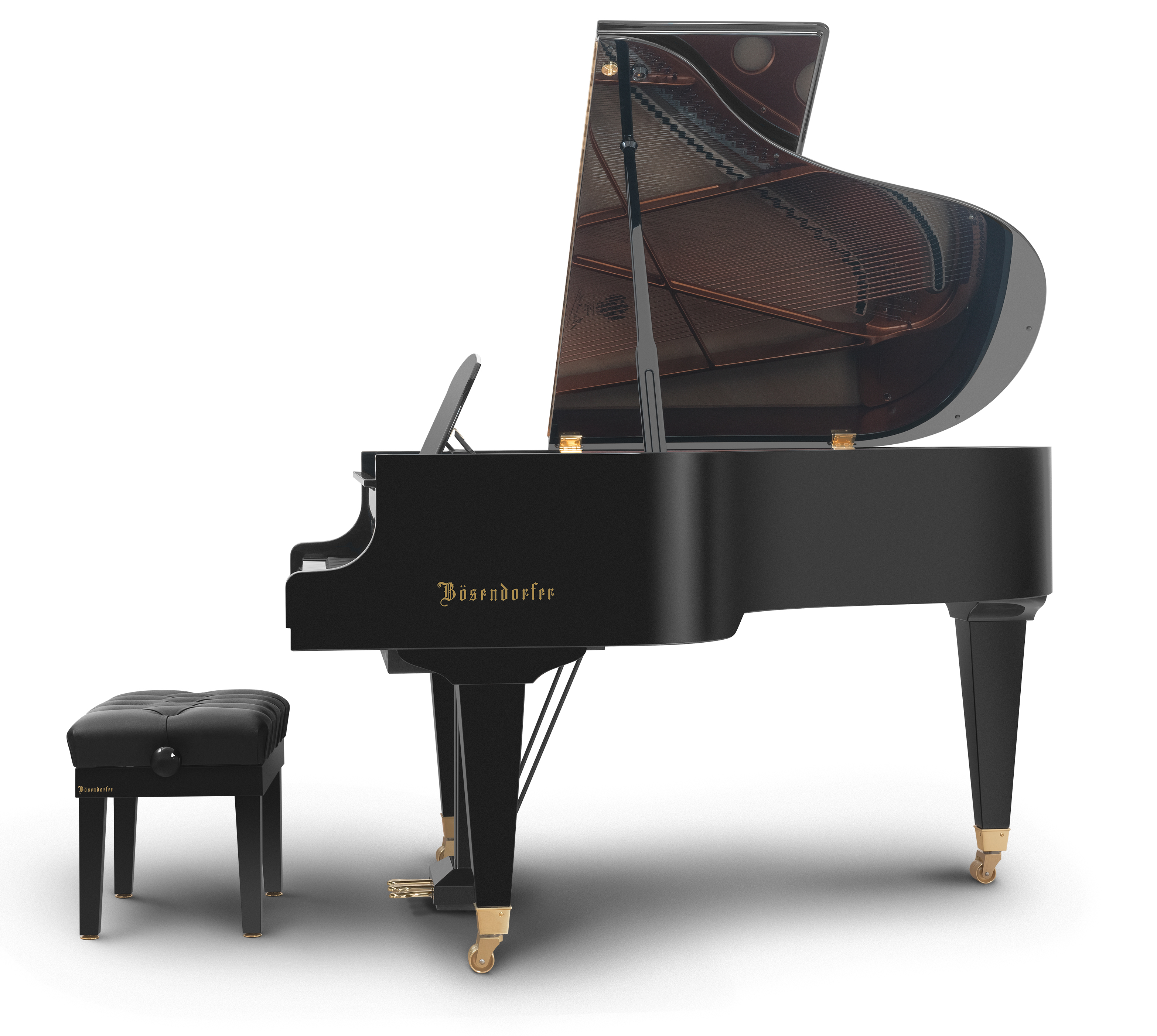
Yamaha pianos are celebrated for their brilliant tone and unmatched dynamic range, qualities refined through decades of innovation and influenced by Yamaha's ownership of the legendary Bösendorfer piano company in Vienna. The result is a sound that combines European warmth with Japanese precision, powerful, nuanced, and beautifully balanced.
Kawai instruments offer a softer, mellower tone that some beginners find appealing at first. However, that sound profile offers less dynamic headroom for advancing students and performers. Players who start on Kawai often find themselves limited as their technique develops, as the tonal palette simply does not grow with them the way a Yamaha's does.
2. Reliability and Build Quality
Yamaha pianos are built to last. Every detail, from the solid spruce soundboard to the hand-crafted action, is made within Yamaha's own facilities under exacting quality standards. This full control over design and production ensures unparalleled consistency and long-term reliability. Central to this is something no other piano manufacturer can claim: Yamaha operates its own dedicated wood mill, Kitami Mokuzai Co., Ltd., located in Hokkaido, Japan. In operation for over half a century, the Kitami mill manages every stage of tonewood preparation, from species selection and slow drying to precise processing, ensuring that the wood going into every Yamaha piano meets standards that simply cannot be replicated by manufacturers who source materials on the open market.
Kawai uses ABS composite materials in their action parts in place of the traditional wood components found in Yamaha instruments. Kawai markets this as an advantage, but wood has been the material of choice in fine piano actions for centuries, for good reason. It responds naturally to touch, regulates beautifully, and ages gracefully. At Remenyi, after more than 130 years of working with pianos, we have consistently found that traditional craftsmanship outlasts shortcuts in manufacturing, regardless of how those shortcuts are marketed.
3. Innovation and Global Leadership
Yamaha leads the world in acoustic and hybrid piano innovation. From the flagship CFX Concert Grand to the advanced AvantGrand hybrid series, Yamaha seamlessly integrates traditional craftsmanship with modern technology, a balance few manufacturers achieve.
Kawai has invested in digital and hybrid development as well, and we respect that. But Yamaha's ownership of Bösendorfer, one of the most storied names in concert piano history, gives it access to acoustic knowledge and artistry that no other manufacturer can draw from. That heritage informs every Yamaha built today, at every price point.
4. The Only Piano Company with a Canadian Headquarters
Yamaha is the only piano manufacturer in the world with a full corporate office in Canada, dedicated entirely to supporting Canadian musicians, educators, and institutions. This presence means faster service, direct technical support, and genuine parts availability, benefits no other piano company offers in this country. Kawai operates through independent distributors in Canada, which means warranty service, parts sourcing, and institutional support all pass through additional layers before reaching the customer. For a family making a long-term investment in an instrument, that distinction matters.
5. The Choice of Canada’s Leading Institutions
From the Royal Conservatory of Music and Roy Thomson Hall to universities and performance venues across the nation, Yamaha is without exception the preferred piano brand. These institutions select Yamaha after rigorous evaluations, valuing its superior tone, reliability, and long-term value.
Canada's leading music institutions have the resources and expertise to choose any instrument they wish. The fact that they consistently choose Yamaha rather than Kawai or any other brand speaks louder than any marketing claim either company could make.

6. Resale Value and Investment Quality
A Yamaha piano retains its beauty and its value for decades. Thanks to their structural integrity and consistent tone, Yamaha instruments enjoy among the highest resale values of any piano brand worldwide.
Kawai pianos, while reasonably priced at the point of purchase, tend to depreciate more quickly on the secondary market. The plastic and composite action components wear in ways that traditional wood does not, and the tonal qualities that made the instrument appealing when new tend to fade as the soundboard and bridge materials age. A Yamaha purchased today remains a sound investment years from now, and that is something we stand behind wholeheartedly at Remenyi.
Conclusion: Yamaha - The World’s Most Trusted Piano
Whether for your home, studio, or concert stage, Yamaha remains the clear and lasting choice. With superior craftsmanship, unmatched tonal brilliance, and a century of innovation, Yamaha delivers the finest piano experience available today, supported right here in Canada.
Visit Remenyi House of Music, Canada's most established Yamaha piano dealer, to experience the full range of Yamaha grand, upright, and hybrid pianos and hear for yourself why Yamaha stands alone.